
40Hz Light and Sound Stimulation: A New Dawn in Alzheimer's Disease Treatment
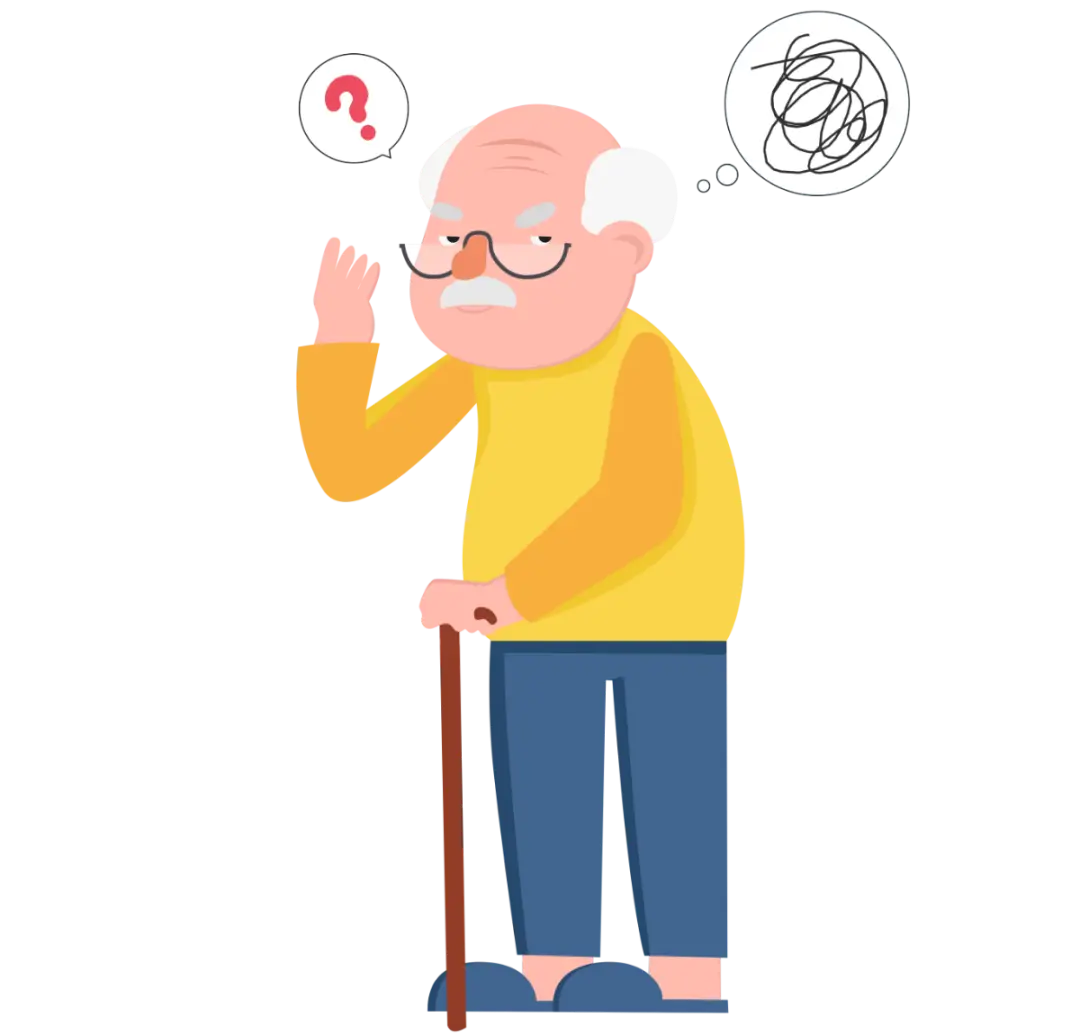
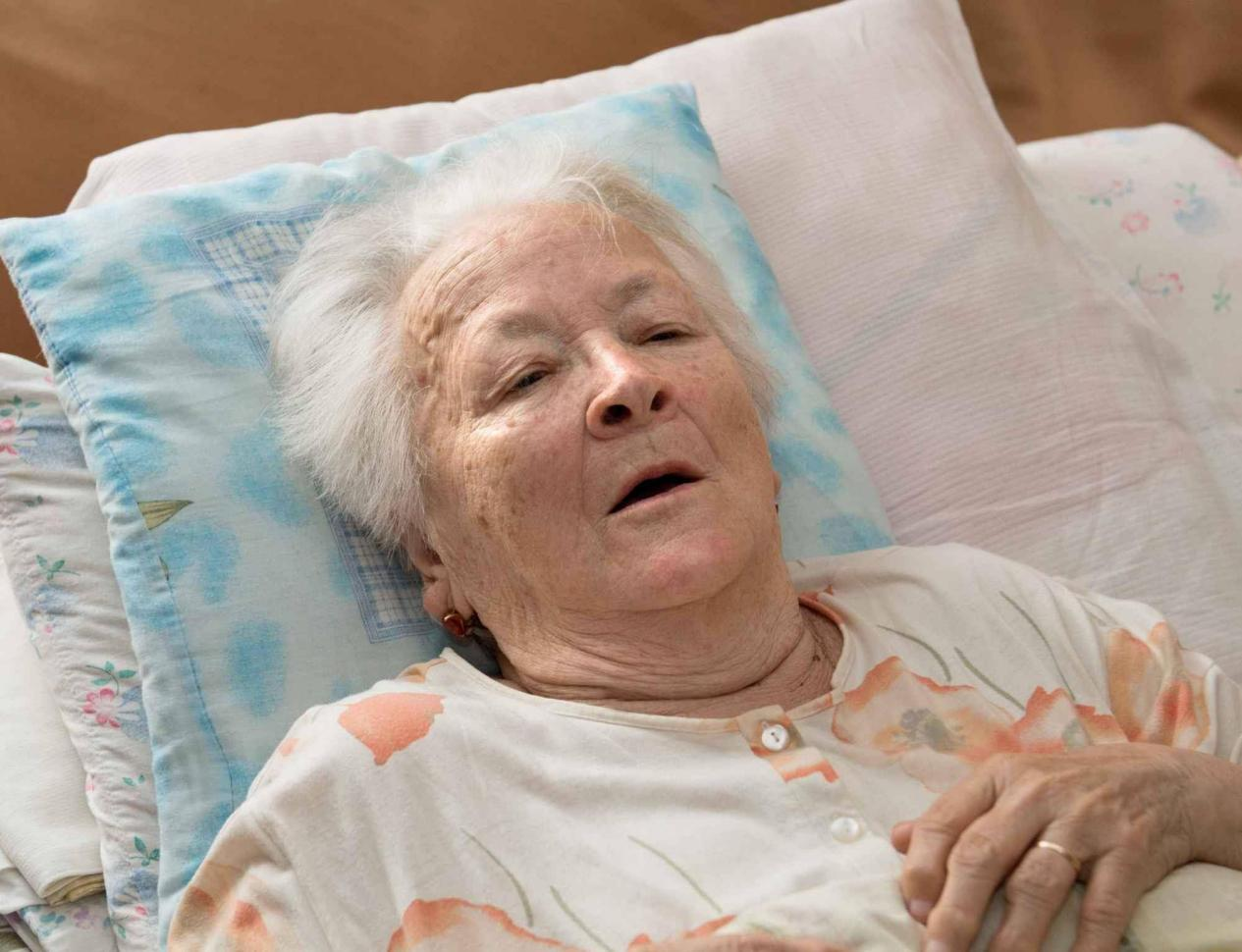
GemPagesAlzheimer's disease is a slowly progressing yet devastating illness. Unlike sudden-onset conditions like heart attacks, it acts as an insidious eroder, gradually wiping away a person's memories. Patients first forget daily details, such as what they had for breakfast yesterday, then lose recognition of close friends and family, and finally, even their sense of self becomes blurred.
The Challenge of Alzheimer's Treatment and the New Non-Pharmacological Approach
For decades, researchers worldwide have dedicated immense effort to tackling this challenge, developing various drugs like cholinesterase inhibitors, donepezil, and anti-amyloid antibodies (including lecanemab and donanemab). However, the therapeutic effects of these drugs are limited and accompanied by varying degrees of side effects. Against this backdrop, a new research direction has emerged: are there ways to promote the brain's self-recovery without drugs.
Non-pharmacological therapies offer a promising avenue. In neuroscience, the brain is not in a static state. Every thought, memory, and even dream is accompanied by rhythmic fluctuations in the brain's electrical signals, known as brainwaves. Different frequencies correspond to different brain states:
1.0.5 to 4 Hz (Delta waves) dominate deep sleep.
2.4 to 8 Hz (Theta waves) appear during relaxation and meditation.
3.8 to 13 Hz (Alpha waves) correspond to a calm, awake state.
4.13 to 30 Hz (Beta waves) are active during thinking and activity.
5.30 to 80 Hz (Gamma waves) are the core rhythm for advanced cognition and memory processing.
Research has found significant disruption and weakening of gamma waves in Alzheimer's patients, indicating dysrhythmia in neurons that leads to inefficient information transmission. Based on this discovery, Professor Li-Huei Tsai's team at MIT proposed a bold hypothesis: if gamma waves are impaired, could external stimulation help the brain restore its normal rhythm?
40Hz Light and Sound Stimulation: From Theory to Clinical Exploration
In early studies, Professor Tsai's team designed a protocol using light and sound stimuli flickering at 40 times per second (40Hz), aiming to entrain brain resonance and restore gamma wave synchrony. Results from mouse models showed that such stimulation could activate microglia, clear beta-amyloid plaques, reduce tau protein phosphorylation, improve synaptic connections and neural network plasticity, and consequently enhance memory performance to some extent.[1]
This concept was subsequently applied to human research. In 2025, a joint team from MIT and Harvard Medical School published the latest clinical findings in a leading Alzheimer's disease journal. The study involved five patients with mild Alzheimer's receiving one hour of daily 40Hz light and sound stimulation for nearly two years. The results indicated good safety, significantly enhanced gamma waves in patients, stabilization or even improvement in cognitive function, and decreased levels of tau protein in the blood, suggesting this rhythmic stimulation might positively impact disease progression.[2]
In 2021, the U.S. Food and Drug Administration (FDA), based on six-month Phase II clinical trial results of this technology, granted it Breakthrough Device designation and initiated an expedited review pathway. Subsequently, a U.S. company transformed this concept into a clinical-grade digital therapy. At the 15th International Conference on Alzheimer's and Parkinson's Diseases, the company announced positive Phase II trial results: Gamma frequency light and sound stimulation for mild-to-moderate Alzheimer's improved patients' memory, cognition, and daily function while reducing brain atrophy.

In this multicenter, randomized controlled study, 76 patients received either one hour of daily 40Hz light/sound stimulation or sham stimulation at home for six months. Results showed the treatment group experienced an 84% slower decline in Activities of Daily Living scores, an 83% slower decline in cognitive scores, and a 61% reduction in the rate of brain atrophy/volume loss, with good safety and tolerability.[3]
Research Expansion and Future Prospects of 40Hz Stimulation
Research at the Second Affiliated Hospital of Zhejiang University School of Medicine in China has also explored similar avenues, using 40Hz light/sound plus blue light intervention to improve sleep and brain function in healthy individuals. The key findings are:
1.After four consecutive weeks of stimulation, participants' sleep quality improved significantly, with the Pittsburgh Sleep Quality Index (PSQI) score dropping from 7.5 to 5.
2.Functional MRI showed enhanced connectivity between the hippocampus and the default mode network.
3.No severe adverse events occurred, and tolerability was good.[4]
A 2023 study on healthy individuals further indicated that after one month of at-home intervention, sleep scores improved in those with sleep disorders, and MRI showed enhanced hippocampal functional connectivity. It also found that the brainwave response to the same stimulation intensity was significantly weaker in a disease cohort compared to healthy individuals, but after increasing the intensity, the response level recovered and was maintained until the end of the intervention.
These studies suggest that 40Hz light and sound stimulation has good safety and adherence, but gamma oscillation responses vary individually, requiring precise modulation. Compared to traditional drug therapies, this non-pharmacological approach modulates brain plasticity through external stimuli, helping neural networks resynchronize. It offers advantages such as safety, non-invasiveness, suitability for home use, and potential for combination with drugs. In the future, treating Alzheimer's disease might involve letting the brain "listen to a 40Hz symphony," potentially helping memories flourish once again.
[1] Mitchell H. Murdock, Cheng-Yi Yang, Na Sun, Ping-Chieh Pao, Cristina Blanco-Duque, et al. Multisensory gamma stimulation promotes glymphatic clearance of amyloid. Nature. volume 627, pages149–156 (2024).
https://www.nature.com/articles/s41586-024-07132-6
[2] Diane Chan, Gabrielle de Weck, Brennan L. Jackson, Ho-Jun Suk, Noah P. Milman, et al.Gamma sensory stimulation in mild Alzheimer's dementia: An open-label extension study. Alzheimer's & Dementia. 10.1002/alz.70792.
https://alz-journals.onlinelibrary.wiley.com/doi/10.1002/alz.70792
[3] Kimberly Ha, et al. Cognito Therapeutics Receives FDA Breakthrough Device Designation for Next-Generation Digital Therapeutic in Alzheimer’s Disease. Businesswire.
https://www.businesswire.com/news/home/20210112005364/en/Cognito-Therapeutics-Receives-FDA-Breakthrough-Device-Designation-for-Next-Generation-Digital-Therapeutic-in-Alzheimers-Disease
[4] Xiaojun Xu, Zhuping Gong, Kaixiu Jin,et al. 40HZ photoacoustic interventions combined with blue light improve brain function and sleep quality in a healthy population. Medrxiv. Posted May 24, 2023.
https://www.medrxiv.org/content/10.1101/2023.05.22.23290180v1


