
New Alzheimer's Therapy? Sustained 40Hz Flickering Light Stimulation Promotes Brain Neurogenesis
GemPages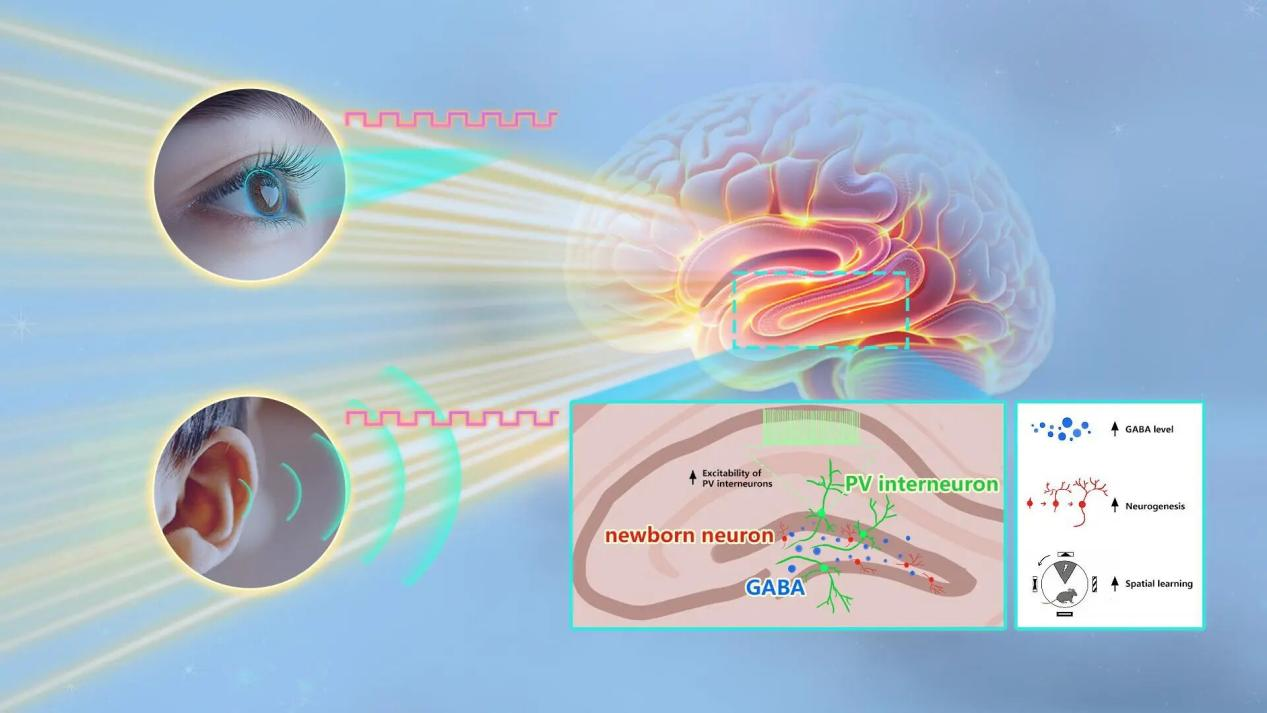
Recently, Professor Hou Shengtao's team at the School of Life Sciences, Southern University of Science and Technology, has made a significant breakthrough in neuroscience. They revealed the mechanism by which 40 Hz rhythmic light flicker promotes neurogenesis and improves spatial learning ability through the activation of parvalbumin (PV)-expressing interneurons in the hippocampal dentate gyrus (DG). The related research findings have been published in the international journal *Advanced Science* under the title "Parvalbumin Interneuron-dependent Hippocampal Neurogenesis Evoked by Prolonged Rhythmic Light Flicker."[1]
Neurological disorders such as Alzheimer's disease (AD) and stroke severely impair patients' cognitive functions, and existing treatment options have limited efficacy. In recent years, non-invasive 40 Hz light stimulation therapy has garnered significant attention for its potential in alleviating cognitive impairment, yet its long-term effects and underlying mechanisms remained unclear. Through long-term animal experiments, Professor Hou Shengtao's team has, for the first time, systematically elucidated the complete pathway by which 40 Hz light flicker promotes neurogenesis in the hippocampal DG region and enhances spatial learning by modulating the activity of PV interneurons. This work provides new insights for treating neurodegenerative diseases.
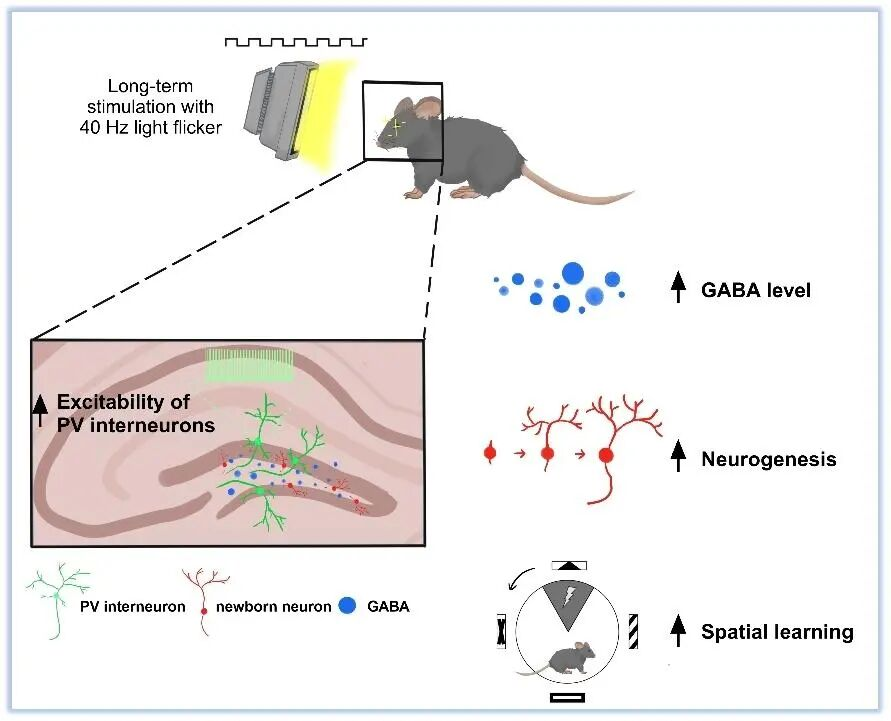
Figure 1. Schematic of the Experimental Design and Mechanism of Long-term 40 Hz Light Flicker
The research team subjected 6-month-old adult mice to 30 days of 40 Hz light flicker intervention (1 hour daily). Using the active place avoidance (APA) test, they confirmed that the spatial memory ability of the intervention group improved by approximately 30% compared to the control group, without inducing anxiety or motor dysfunction. Furthermore, light flicker significantly increased the number of BrdU+ (proliferating cells), DCX+ (immature neurons), and BrdU+DCX+ double-labeled cells in the hippocampal dentate gyrus (DG). These results indicate that prolonged 40 Hz light flicker can significantly enhance spatial learning ability and promote hippocampal neurogenesis.
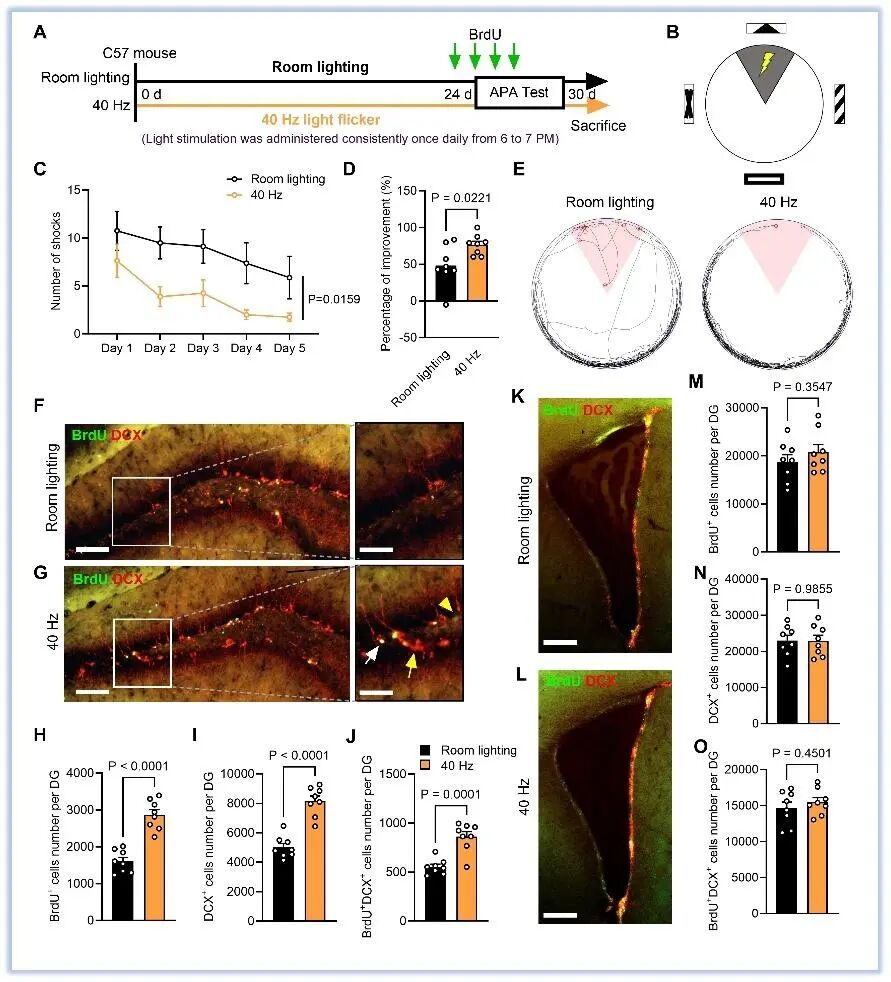
Figure 2. Long-term 40 Hz Light Flicker Significantly Enhances Spatial Learning Ability and Promotes Hippocampal Neurogenesis in Mice
Using fiber photometry for calcium signal recording and patch-clamp techniques, the team found that 40 Hz light flicker enhanced the excitability of PV neurons—their firing frequency increased 1.5-fold, and spontaneous excitatory postsynaptic currents (sEPSCs) increased by 40%. However, following specific knockout or inhibition of PV neurons, 40 Hz entrainment in the DG region decreased, and the pro-neurogenic effects of light flicker were completely abolished. This demonstrates the crucial role played by PV interneurons.
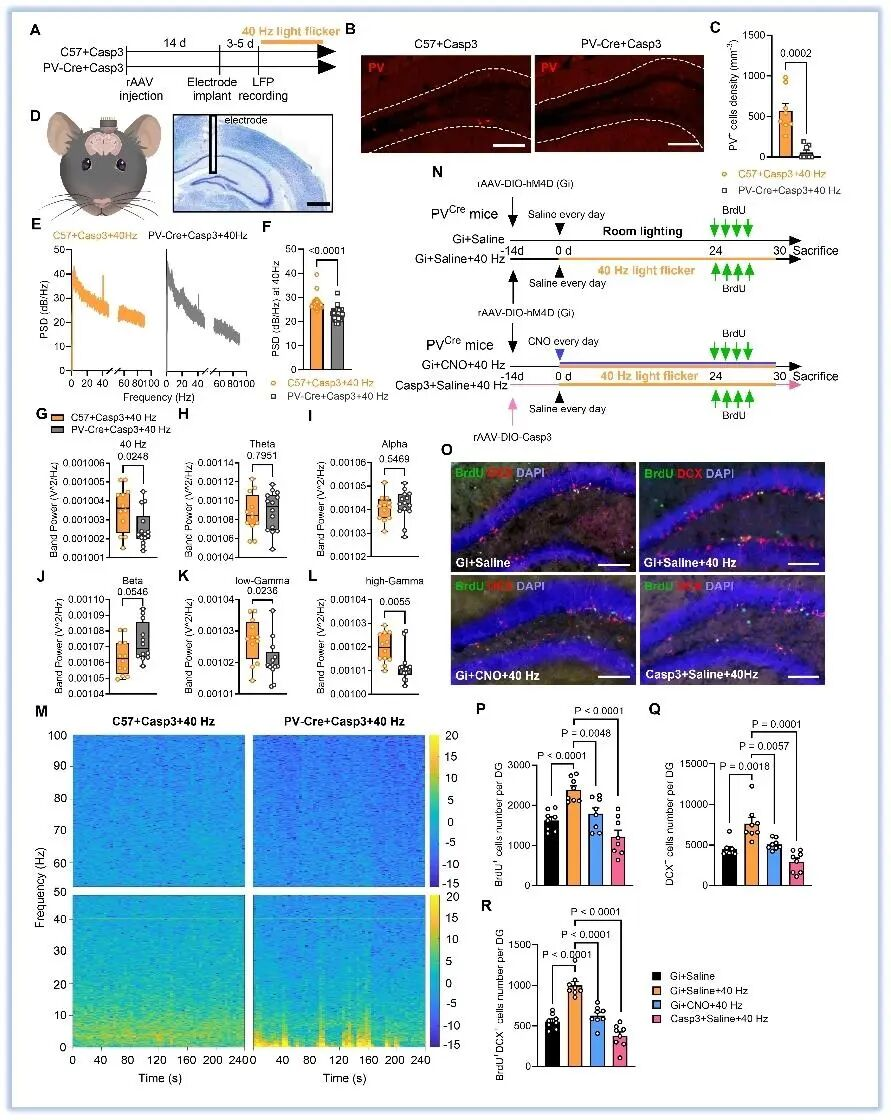
Figure 3. Specific Knockout or Inhibition of PV Interneurons Impairs 40 Hz Entrainment and Neurogenesis in the DG
Additionally, microdialysis experiments showed that light flicker transiently increased GABA levels in the DG region by 35%, and the synaptic input density from PV neurons to newborn neurons increased by 25%. Blocking GABAA receptors reversed both the neurogenic and cognitive improvement effects. Therefore, the team has identified, for the first time, a novel mechanism mediated by the GABAergic signaling pathway.
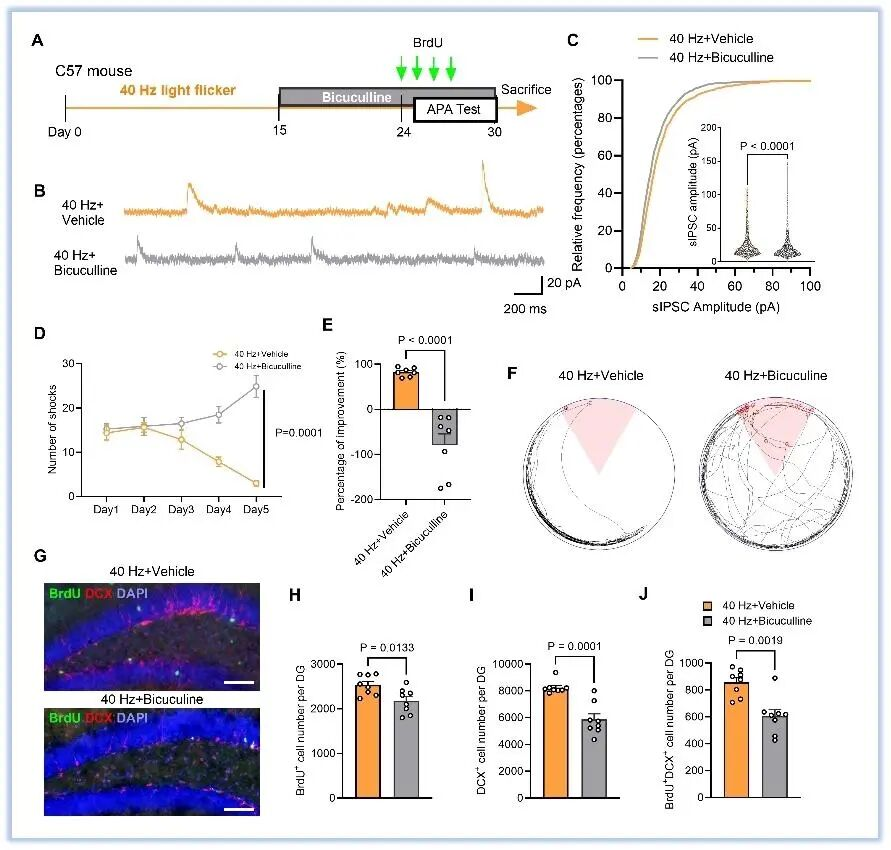
Figure 4. Suppressing GABA_A Receptors in Adult Mice Abolishes the Spatial Learning Enhancement Induced by Long-term 40 Hz Light Flicker
In summary, this study demonstrates that prolonged 40 Hz light flicker can activate PV interneurons in the hippocampal DG and promote neurogenesis by enhancing GABAergic signaling to support the synaptic integration of post-mitotic neurons. Furthermore, 40 Hz light flicker did not alter stress or anxiety levels and significantly improved the spatial learning ability of mice. This technology holds promise as a potential clinical therapy for treating neurological disorders in humans in the future.
[1] Hai Yan, Yunxuan Wang, Xufan Deng, et al. Parvalbumin Interneuron-Dependent Hippocampal Neurogenesis Evoked by Prolonged Rhythmic Light Flicker. PubMed. PMCID: PMC12499440 DOI: 10.1002/advs.202503017
https://pubmed.ncbi.nlm.nih.gov/40586216


