
Ten Evidence-Based Strategies to Prevent Alzheimer's Disease
GemPagesAlzheimer's disease significantly impacts the quality of life for both patients and their families, making prevention critically important. The following ten recommendations are supported by scientific research or clinical guidelines and deserve serious consideration.
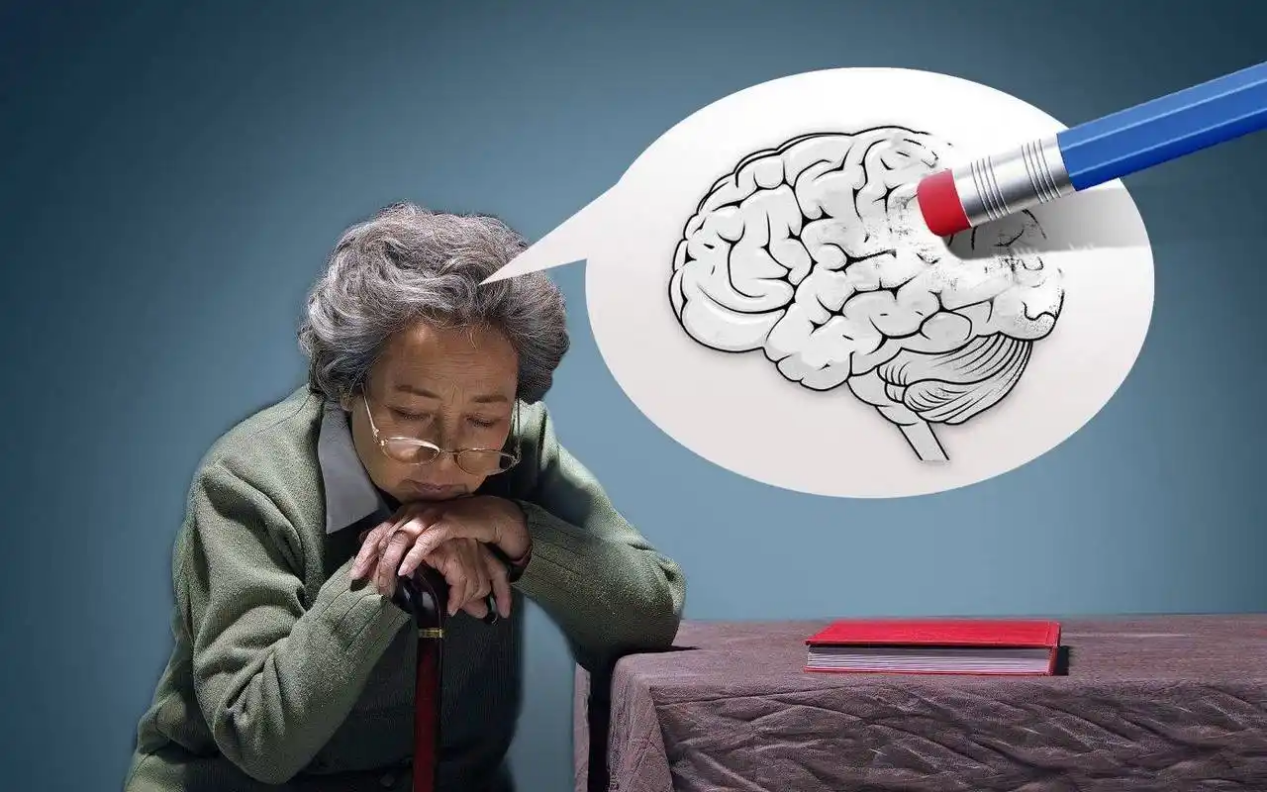
1. Get Vaccinated Against Shingles
The varicella-zoster virus, which causes shingles, can remain dormant in nerve roots and brain tissue, chronically attacking brain cells and triggering pathological changes associated with Alzheimer's. Studies suggest that receiving the shingles vaccine is correlated with a 20% reduction in Alzheimer's risk seven years later.[1] Note that the vaccine has age-specific recommendations; consult your doctor to determine if it is appropriate for you.
2. Maintain Excellent Oral Hygiene
Bacteria responsible for oral diseases, particularly periodontitis (gum disease), can enter the bloodstream or travel via nerves, causing systemic and brain inflammation that leads to cognitive decline. Regular professional cleanings, timely fillings, and dental implants are not just about fresh breath and aesthetics—they benefit brain health. Research indicates that individuals with poor oral hygiene have more than double the risk of developing Alzheimer's compared to those with good oral care.[2]
3. Protect Your Vascular Health
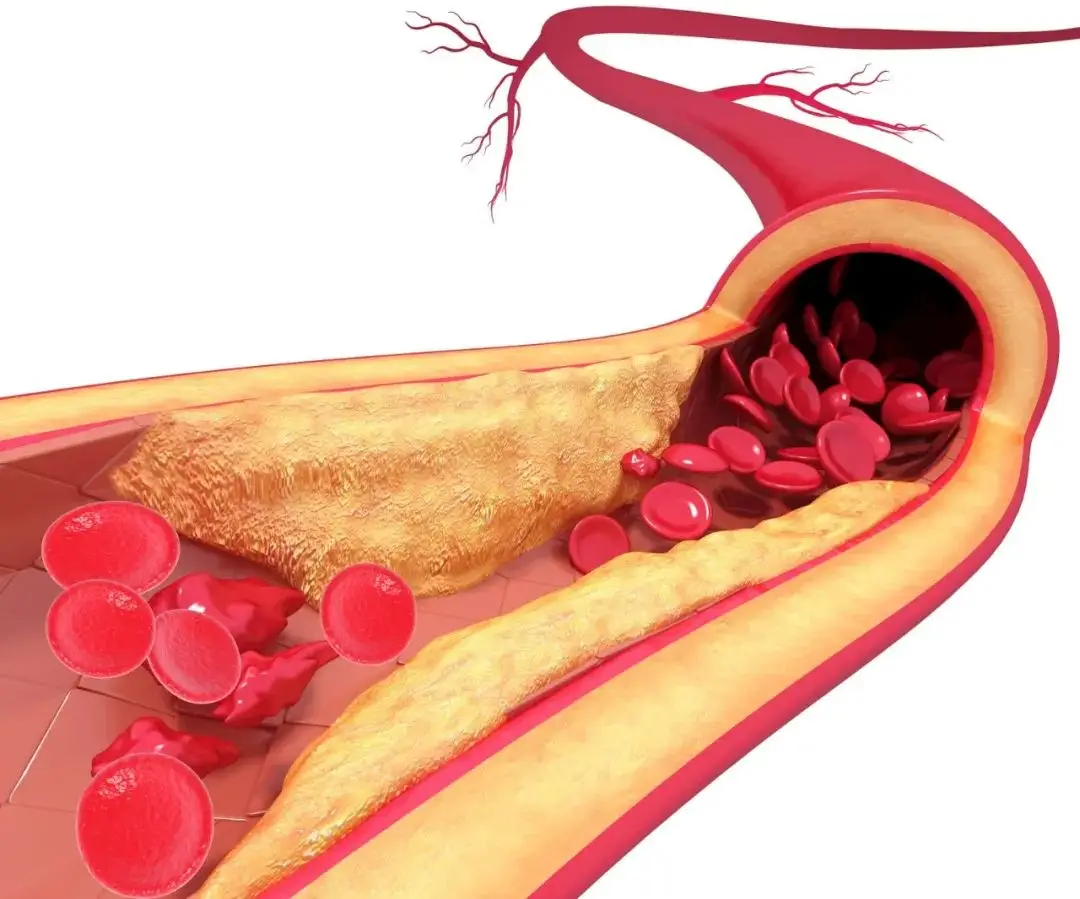
Blood sugar, lipids, and blood pressure are closely linked to vascular integrity. Aim to keep your glycated hemoglobin (HbA1c) below 7.0%, blood pressure under 130/80 mmHg (if tolerable),[3] and LDL ("bad") cholesterol within the target range. Protecting your blood vessels safeguards all organs, including your brain's cognitive function.
4. Lose Weight (Especially Abdominal Fat)
Individuals with abdominal (visceral) obesity experience persistent chronic inflammation and elevated inflammatory markers. Weight loss can help mitigate cognitive decline.
5. Actively Address Vision and Hearing Impairment
Middle-aged and older adults with declining vision or hearing should take proactive steps to correct it. This includes using hearing aids, getting prescription glasses, or considering surgery. The beneficial sensory stimulation provided by sight and sound—such as hearing the wind, rain, or a loved one's voice—supports cognitive health. A reduction in these stimuli accelerates cognitive decline.
6. Avoid Social Isolation
Social isolation hastens cognitive deterioration. For example, after a spouse passes away, the surviving partner often experiences accelerated decline. Studies show that social activities like playing mahjong help maintain cognitive engagement. As social beings, humans need to stay socially active.
7. Avoid Exposure to Poor Air Quality
Cigarette smoke, secondhand smoke, and pollutants like PM2.5 not only damage blood vessels but also promote chronic inflammation via the bloodstream, accelerating brain aging.
8. Adopt an Anti-Inflammatory Diet
While the exact cause of Alzheimer's remains unclear, chronic inflammation in brain tissue is a recognized factor. Emphasize fruits, vegetables, fish, nuts, and fiber-rich foods in your diet to help reduce systemic inflammation. Regular physical activity and adequate sleep also help lower chronic inflammation.
9. Prevent Head Trauma and Strokes
Strokes, cerebral hemorrhages, and head injuries cause direct damage to brain tissue, leading to rapid cognitive decline. For instance, it is common to see a significant drop in cognitive ability after a stroke or head trauma. Always wear a helmet when riding motorcycles or engaging in activities with a risk of head injury.

10. Engage in Regular Physical Activity
Exercise offers multiple benefits: it stimulates the production of health-promoting biochemicals, releases mood-enhancing substances, helps control weight, and strengthens the immune system. Together, these effects contribute to delaying cognitive decline.
The Lancet has previously outlined 14 preventive factors, many of which overlap with the strategies above. [4]The journal notes that addressing these modifiable risk factors could reduce the risk of developing Alzheimer's by approximately 45%. By following these science-backed methods, we can actively work toward preventing Alzheimer's, enjoying healthier and longer lives, and avoiding the heartbreak of failing to recognize our closest loved ones.
[1] Markus Eyting, Min Xie, et al. A natural experiment on the effect of herpes zoster vaccination on dementia. Nature. 641, 438–446 (2025)
https://www.nature.com/articles/s41586-025-08800-x
[2] Yuseung Yi, Chang-Ha Lee, et al. Oral diseases as emerging risk factors for Alzheimer’s disease: A scoping review. NLM. 2025;Volume 61-Pages 292-300]
https://pmc.ncbi.nlm.nih.gov/articles/PMC12666449
[3] David M. Reboussin, et al. Evidence Supporting the Blood Pressure Treatment Goal of Less Than 130/80 mm Hg. American Heart Association. Volume 73, Number 5
https://www.ahajournals.org/doi/full/10.1161/HYPERTENSIONAHA.119.12804
[4] Livingston G, Huntley J, Liu KY, et al. Dementia prevention, intervention, and care: 2024 report of the Lancet standing Commission. Lancet. 2024;S0140-6736(24)01296-0.
https://www.thelancet.com/journals/lancet/article/PIIS0140-6736(24)01296-0/fulltext


